
At the ClickReady office, there’s a dog statue that sits quietly by the wall. It has the look of a loyal guardian: steady eyes, strong posture, and the kind of presence that makes people smile and say, “Now that’s a guard dog.”
And in a way, that statue tells a familiar story.
Many people love the idea of having a dog that watches over the home, protects the family, and stands confidently between danger and the people they love. To the average person, almost any alert, loyal, or intimidating-looking dog might seem like a guard dog. But as Evan Dunbar, owner of Full Contact K9, often explains to callers, there is a major difference between a dog that looks protective and a real protection dog.
Full Contact K9 specializes in
fully trained protection dogs, obedience training, and European working-line German Shepherds selected for temperament, health, nerve strength, and working capability. Their dogs are developed to perform under legitimate pressure, not simply bark at the front door.
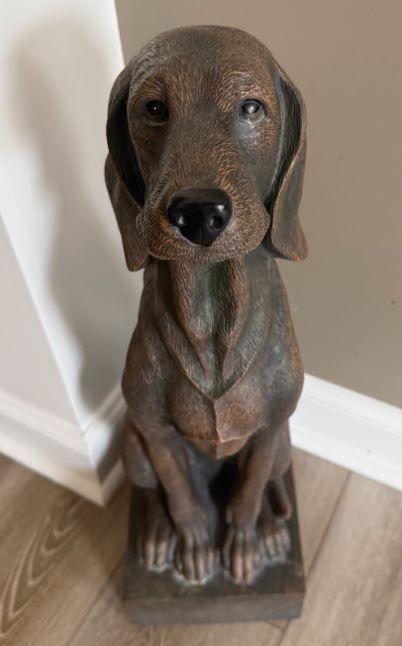
The Dog Statue: A Friendly Reminder That Looks Can Be Misleading
The ClickReady dog statue is a great symbol because it looks the part. It sits tall. It appears watchful. It has the posture people associate with a guardian.
But of course, it cannot evaluate a threat. It cannot follow a command. It cannot distinguish between a delivery driver, a visiting family member, and a true danger.
That may sound obvious with a statue, but the same misunderstanding often happens with real dogs. A dog may bark at strangers, pull toward noises, or act suspicious around new people. Some owners see that behavior and assume their dog has protection potential.
In reality, many of those behaviors come from fear, insecurity, poor socialization, or lack of structure. A nervous dog may make noise, but noise is not protection. A reactive dog may look intense, but intensity is not the same as courage, control, or reliability.
A true protection dog must be clear-headed, stable, obedient, environmentally sound, and genetically suited for the work. That combination is rare.
Real Protection Dogs Are Born With the Right Foundation
Training matters, but training cannot create genetics that are not there.
This is one of the most important lessons Evan and the team at Full Contact K9 help people understand. Many callers want protection dog training for a pet they already own. They may have a wonderful companion, a beloved family dog, or a breed that looks powerful. But that does not automatically mean the dog is suitable for personal or family protection work.
A real protection dog needs the right drives, confidence, nerves, temperament, and ability to handle pressure. Full Contact K9’s website explains that their protection dogs are selected for temperament, health, environmental nerve strength, appropriate social behavior, and working capability.
That means the process starts long before advanced training begins.
The right dog must be able to live calmly with a family, behave appropriately in public, respond to commands with precision, and still act decisively when there is a real threat. A dog that is fearful, unstable, overly social, environmentally weak, or lacking the necessary working genetics should not be pushed into protection work.
For those dogs, obedience training, structure, confidence building, and behavior modification may be the better path.
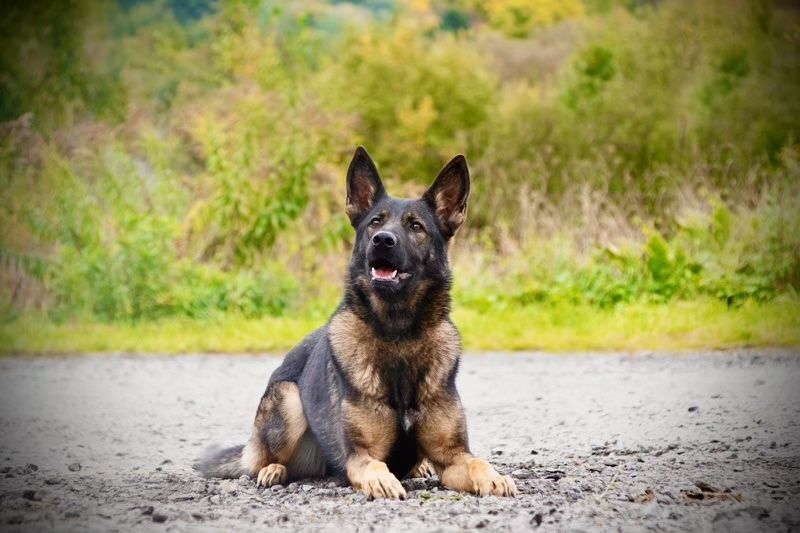
Luna Shows What a True Protection Dog Looks Like
On Full Contact K9’s website, Luna is presented as an example of a trained German Shepherd protection dog. She is described as a female German Shepherd with a protective nature, family-friendly temperament, obedience, responsiveness, and real-life scenario training.
That balance is what separates a true protection dog from a dog that only appears protective.
Luna is not described as uncontrolled or aggressive. She is positioned as both a devoted protector and a gentle companion. Her value comes from the combination of genetics, training, temperament, and reliability. She represents the kind of dog that can be trusted to blend into family life while still being prepared to respond when needed.
That is the standard many people are actually looking for, even if they do not know how to describe it at first.
They do not simply want a dog that barks. They want peace of mind. They want a companion that is safe around the family, steady around children, and capable under pressure. That kind of dog is not created by teaching a random pet to bite. It is developed through proper selection, professional training, and honest evaluation.
Why Evan Often Says “Not This Dog, Not for This Work”
One of the most valuable services Full Contact K9 provides is honesty.
When someone calls asking for protection dog training, Evan has to look beyond what the owner hopes the dog can become. He has to consider what the dog actually is.
That can be a difficult conversation. People love their dogs, and many believe loyalty alone should qualify a dog for protection training. But loyalty is not enough. A dog can love its family deeply and still be completely wrong for protection work.
Some dogs are too soft. Some are too nervous. Some lack the right drives. Some are reactive in ways that would make protection training unsafe. Others may be excellent pets, but they do not have the temperament or working ability needed for advanced protection.
That does not make them bad dogs. It simply means they are not protection dogs.
In many cases, the best recommendation is not protection training at all. It may be obedience training, foundational manners, advanced control, or behavior modification. Full Contact K9 offers obedience and training programs for all breeds, helping owners build better communication, structure, and reliability even when protection work is not the right fit.
A Guard Dog in Someone’s Mind vs. a Protection Dog in Real Life
The dog statue at ClickReady can guard the office in spirit. It can welcome guests, start conversations, and remind people of the loyal dogs they love.
But a real protection dog is something different.
A real protection dog must be carefully selected. It must be trained for real-world situations. It must remain composed when life is normal and respond appropriately when life is not. It must be safe, social, obedient, confident, and capable.
That is why the phrase real protection dog matters.
It is not about appearance. It is not about breed alone. It is not about barking, lunging, or acting tough. It is about the rare combination of genetics, temperament, training, and professional handling.
Start Your Protection Dog Consultation Today
Whether you are looking for a fully trained protection dog or wondering what kind of training is right for the dog you already own, Full Contact K9 can help you make an informed decision. Evan and his team provide clear guidance, honest evaluations, and training recommendations based on what will actually work for your family, your lifestyle, and your dog.
If you are serious about protection, start with the truth: not every dog is built for protection work, but every dog deserves the right training path.
FAQ:
Can any dog be trained to be a protection dog?
No. While many dogs can benefit from obedience training, only certain dogs have the genetics, temperament, nerve strength, confidence, and working ability needed for true protection dog training.
What is the difference between a guard dog and a real protection dog?
A guard dog is often thought of as any dog that barks, watches the property, or looks intimidating. A real protection dog is professionally selected and trained to remain controlled, obedient, family-safe, and capable of responding appropriately to a true threat.
What should I do if my dog is not suitable for protection training?
That does not mean your dog has failed. Many dogs are better suited for obedience training, confidence building, behavior modification, or advanced manners. Full Contact K9 can help determine the best training path for your dog.
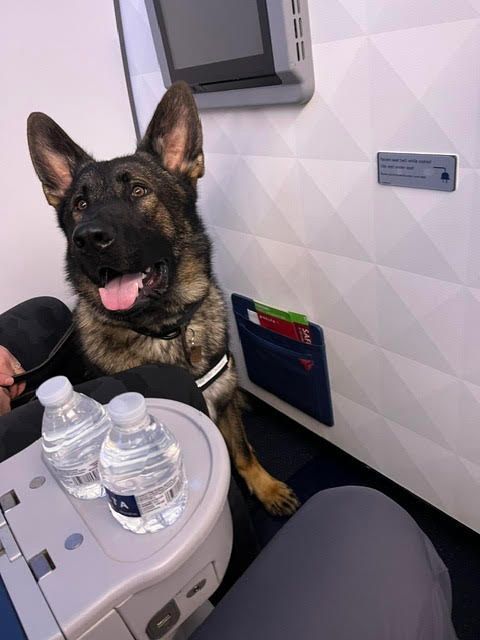
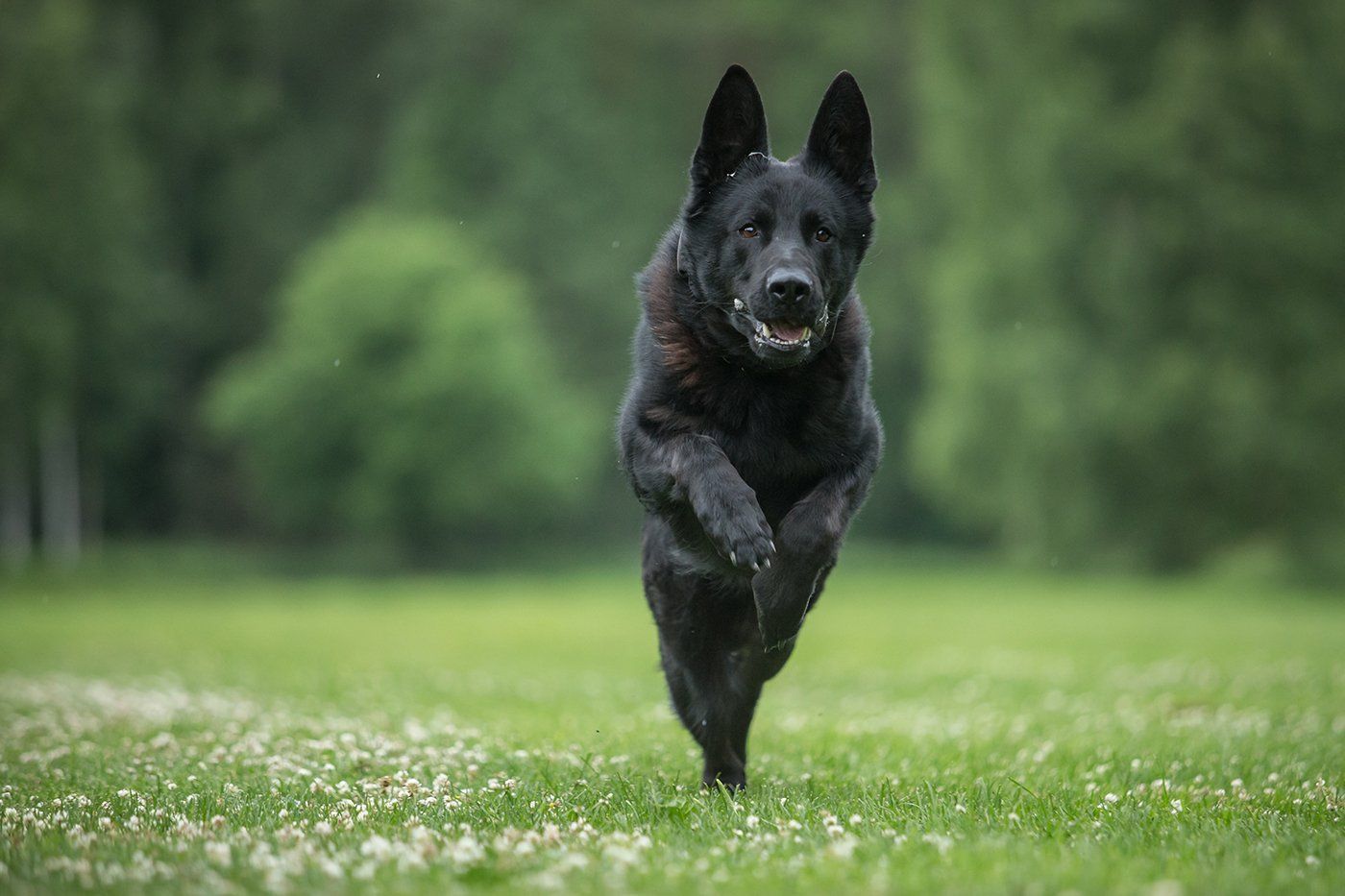
EVAN DUNBAR
Evan Dunbar is the President of Full Contact K9 and ProK9 Equipment. At an early age he was inspired by his uncle who introduced him to work-oriented dogs. Since that time, Evan has had the opportunity to study from and train with the “who’s who” of the working dog world.
His areas of expertise include advanced obedience, personal protection, service K9, and pet instruction. He is also an active participant in Schutzhund and French Ring dog sports. A modern and dynamic trainer, Evan’s unique style is technical and combines elements of both positive methods with classical approaches.
Full Contact Canine LLC is the culmination of a lifelong respect for animals, his passion for dogs, and Evan’s personal beliefs which emphasize ingenuity, integrity, and continuous learning in the world of professional dog training. He earned his B.B.A from Mercer University.
Evan has assembled a team of some of the most respected trainers in the industry to offer Full Contact K9 clients unparalleled experience, skill and service.