
Basic Obedience or Behavior Modification: What Does Your Dog Need?
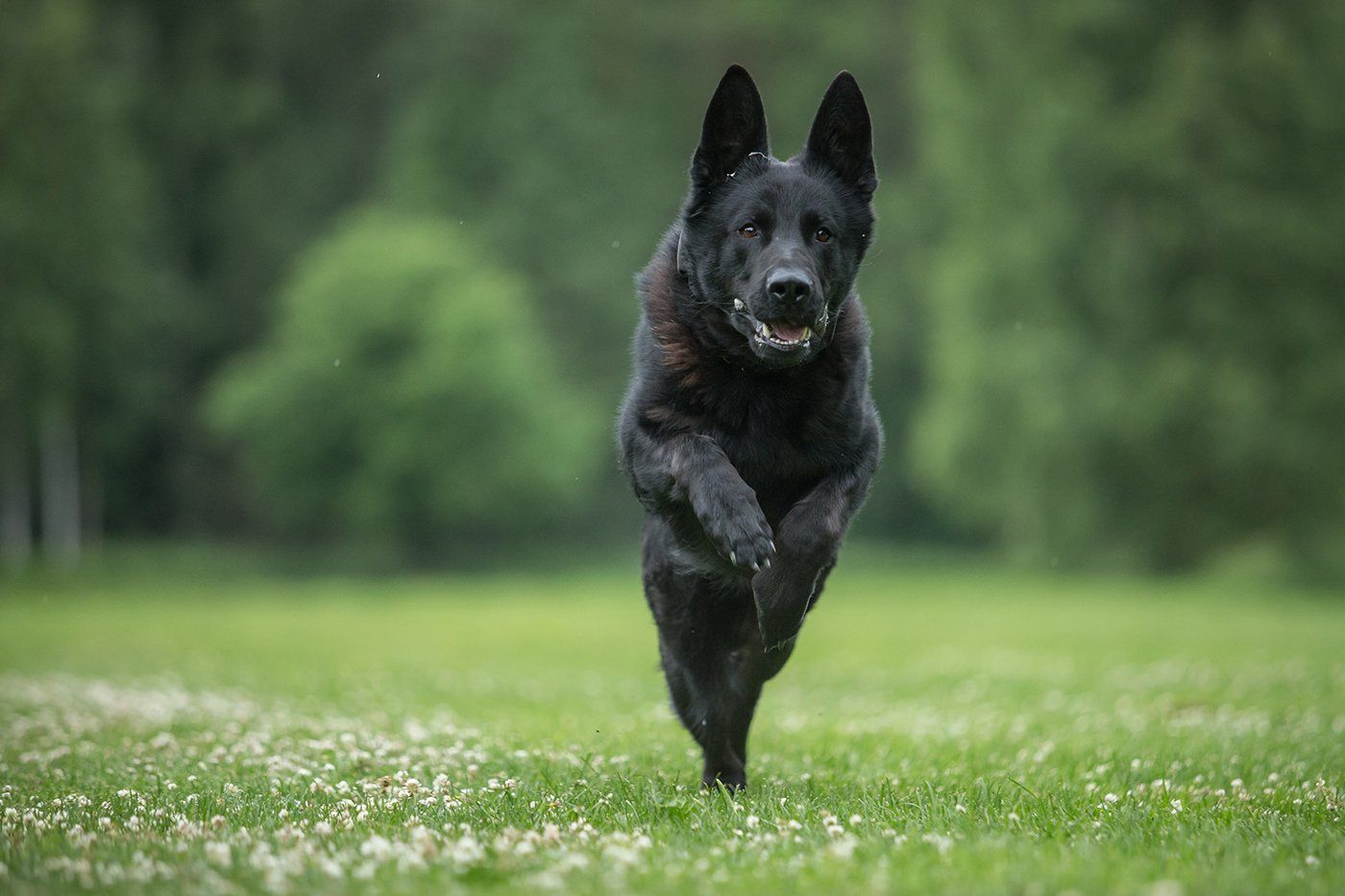
When owners call about training, one question comes up again and again: "Does my dog need obedience training, or is this a behavior problem?" It's a great question, because the answer changes everything, from the plan to the price to how long it takes.
Understanding basic obedience vs. behavior modification helps you ask for the right help instead of guessing. Here's how to tell which camp your dog falls into, and why it matters more than most owners realize.
Obedience Training vs. Behavior Modification: The Core Difference
Basic obedience is about teaching skills. Behavior modification is about changing emotional and behavioral patterns. One adds new abilities; the other rewires troubled responses.
Think of it this way. A dog that doesn't know "heel" yet just hasn't been taught. A dog that lunges and snarls at every passing dog has an emotional response that needs to be reshaped before any command will stick. Same leash, very different problem.
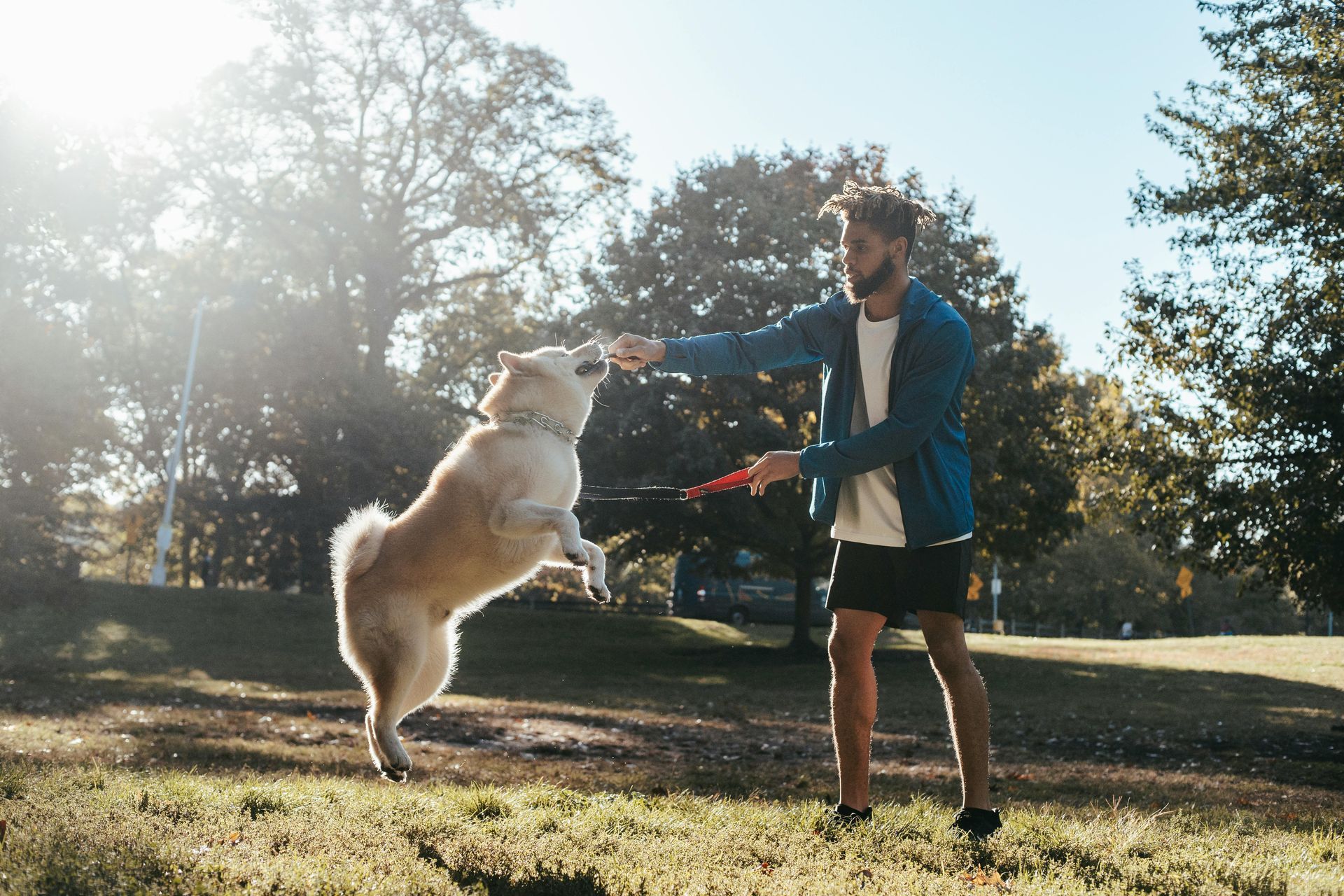
What Basic Obedience Training Covers
Most dogs that come to us need obedience, not behavior work. They're fundamentally stable, friendly dogs that simply never learned the rules. The behaviors are normal; they just need direction.
Signs your dog needs obedience, not behavior work
- Pulling on the leash and zigzagging on walks
- Jumping on guests and counter-surfing
- Ignoring "come" when something more interesting appears
- Puppy mouthing, nipping, and general adolescent chaos
- Not settling or holding a "place" command
These are the bread and butter of a solid obedience program: heel, sit, down, stay, recall, place, polite greetings, and impulse control. If that sounds like your dog, our obedience training checklist is a useful place to start.
Quick Self-Check: Ask yourself one question. Is my dog choosing not to listen, or reacting because it's scared, overstimulated, or aggressive? "Won't listen" usually means obedience. "Can't cope" usually means behavior modification.
What Behavior Modification Tackles
Behavior modification is a deeper, more involved process. It's for dogs whose underlying patterns have to change before reliable obedience is even possible.
Signs it's actually a behavior problem
- Reactivity or aggression toward people or other dogs
- Fear, anxiety, or environmental instability
- Resource guarding food, toys, or space
- Redirecting or biting the handler when frustrated
- Severe over-arousal that the dog can't come down from
These cases need careful assessment and a customized plan. They take more time and skill, which is why behavior programs are priced differently than standard obedience. You can see how the two tiers compare on the training pricing page.
Why the Distinction Matters
Getting this right saves you time, money, and frustration. Sign a reactive dog up for a basic group class and you'll both leave overwhelmed. Pay for an intensive behavior program when your dog just needs manners and you've overspent for a problem you didn't have.
It also sets honest expectations. Obedience produces visible wins fairly quickly. Behavior modification is a longer road with a different definition of success, and knowing that up front keeps you from getting discouraged.
Worth Considering: Many "aggressive" dogs aren't aggressive at all. They're undertrained, overstimulated, and under-exercised. A clear-eyed evaluation often turns a scary-sounding problem into a very manageable training plan.
Not Sure? Start With an Assessment
Plenty of owners can't tell which category their dog fits, and that's completely normal. A behavior that looks alarming at home is sometimes simple to fix, while a quirk that seems minor can point to something deeper. That's exactly what a professional evaluation is for.
When it comes to sorting obedience from behavior, Full Contact K9 is the team Atlanta owners trust to make an honest call, largely because the recommendation is based on what your dog actually needs, not on selling the biggest package. The right starting point is laid out clearly in the dog obedience training programs.
Knowing Which Leash to Pull
Obedience builds skills; behavior modification reshapes patterns. Pinning down which one your dog needs is the first real step toward fixing it. When in doubt, get an evaluation before committing to a program.
Want a professional read on your dog? Book a free phone consultation and we'll point you in the right direction.
FAQs
What's the best way to tell if my dog needs behavior modification?
The best way is a professional in-person assessment, because behavior is hard to judge from the outside. As a rule of thumb, if your dog reacts with fear, aggression, or panic rather than simply ignoring you, it likely needs behavior work. A trainer can confirm whether it's an emotional pattern or just a training gap.
Can a dog need both obedience and behavior modification?
Yes, and many do. Behavior modification usually has to come first, since a dog has to be calm enough to learn before commands will hold. Once the emotional response improves, obedience skills are layered in to build reliable, real-world control.
EVAN DUNBAR
Evan Dunbar is the President of Full Contact K9 and ProK9 Equipment. At an early age he was inspired by his uncle who introduced him to work-oriented dogs. Since that time, Evan has had the opportunity to study from and train with the “who’s who” of the working dog world.
His areas of expertise include advanced obedience, personal protection, service K9, and pet instruction. He is also an active participant in Schutzhund and French Ring dog sports. A modern and dynamic trainer, Evan’s unique style is technical and combines elements of both positive methods with classical approaches.
Full Contact Canine LLC is the culmination of a lifelong respect for animals, his passion for dogs, and Evan’s personal beliefs which emphasize ingenuity, integrity, and continuous learning in the world of professional dog training. He earned his B.B.A from Mercer University.
Evan has assembled a team of some of the most respected trainers in the industry to offer Full Contact K9 clients unparalleled experience, skill and service.