
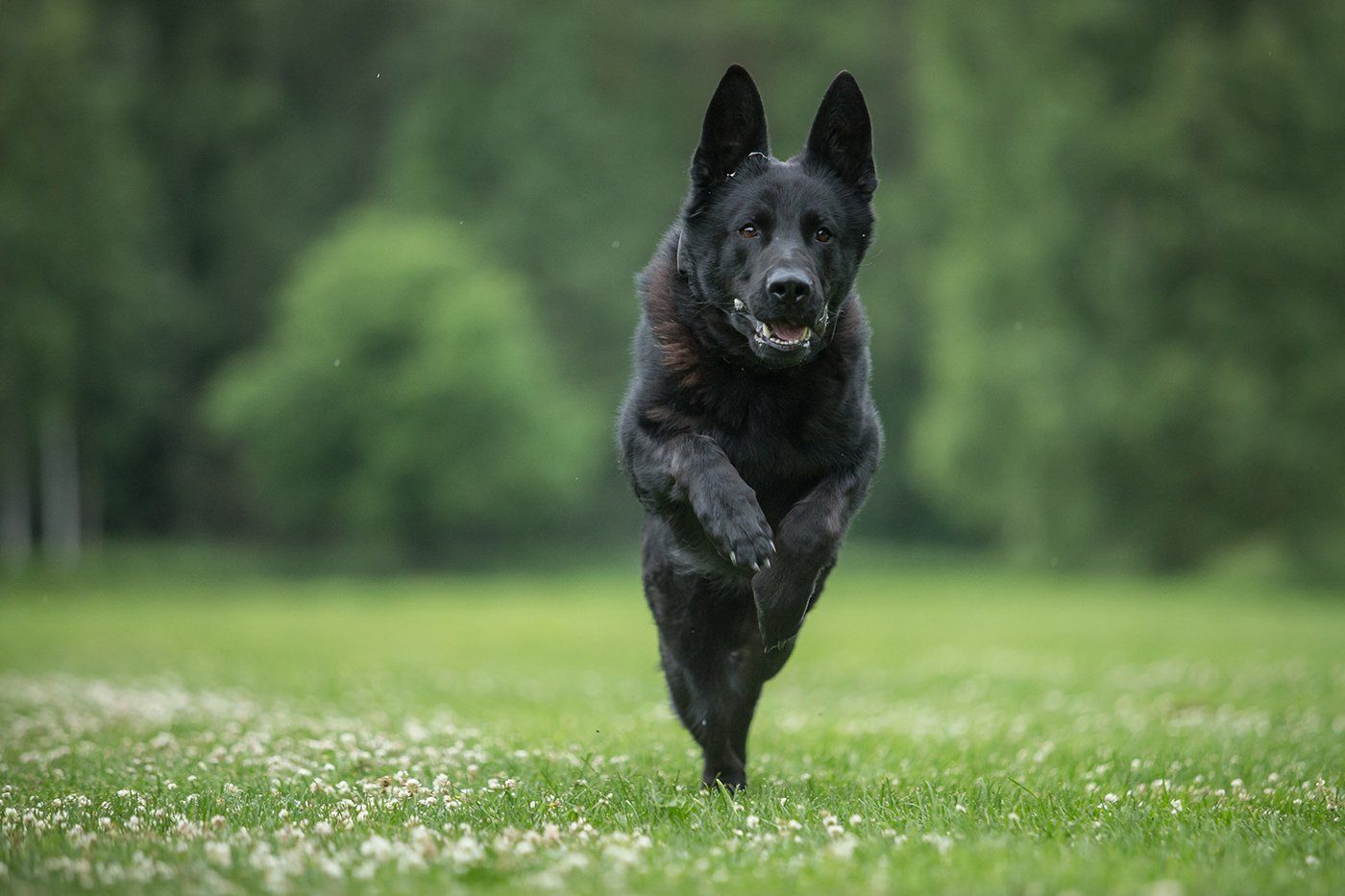
The best-trained dogs often look like they're just having a blast. That's not an accident. Play-based dog training turns a dog's natural love of toys, games, and movement into focus, motivation, and rock-solid obedience.
If your dog is bouncing off the walls and tuning you out, the answer usually isn't more pressure. It's better engagement. Here's how play-based training works, why it produces such reliable results, and how to use it without losing structure.
What Play-Based Dog Training Actually Is
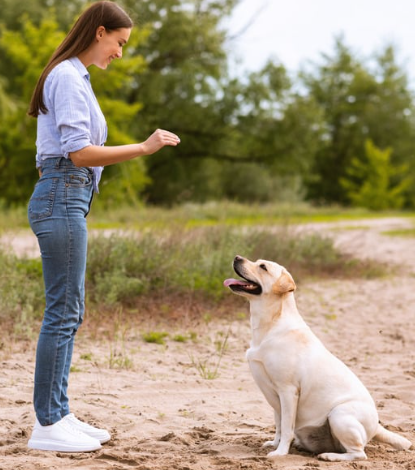
Play-based dog training uses things your dog already loves, a tug toy, a ball, a game of chase, as the reward and the motivation for learning. Instead of drilling commands until everyone's frustrated, you make obedience the gateway to the fun.
Sit becomes the thing that starts the game. A clean recall earns a round of tug. The dog learns that listening to you is the most rewarding part of its day, and that changes everything about how it responds.
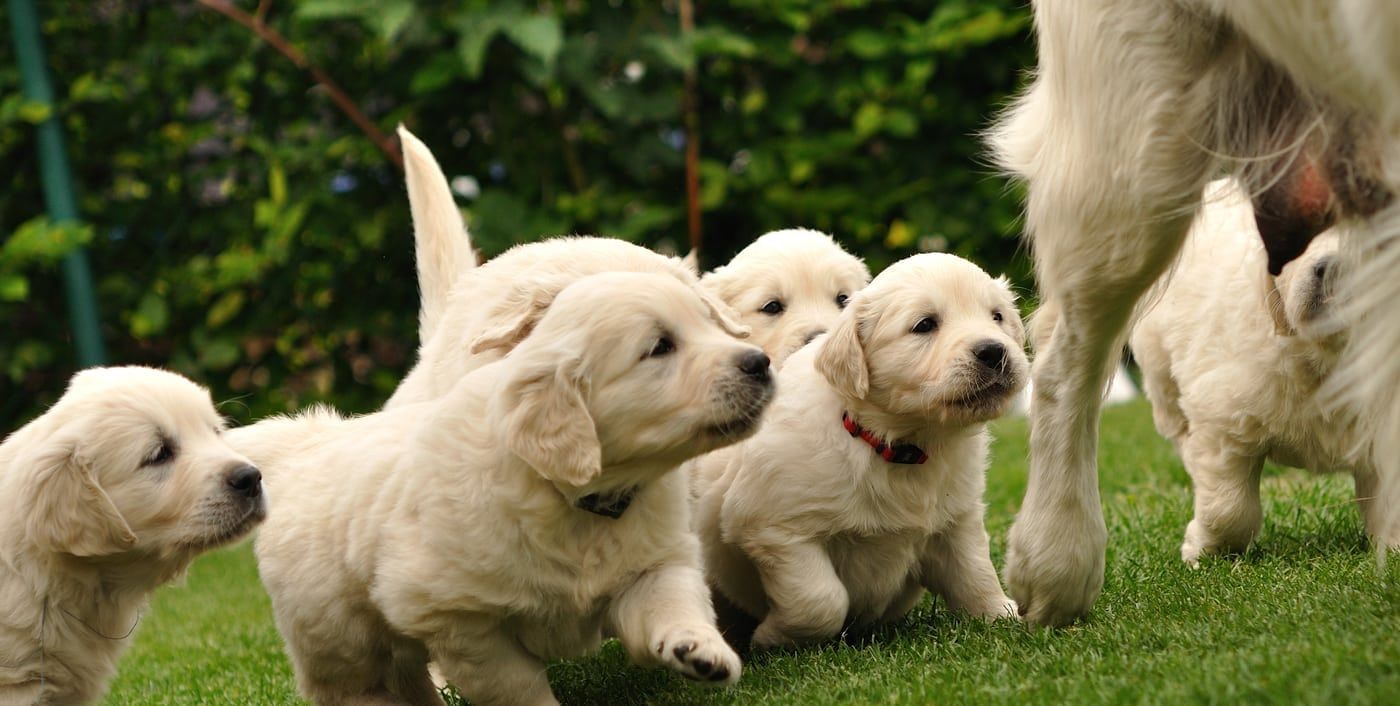
Why Play Builds Better Obedience
A dog working for a toy it loves is engaged, alert, and genuinely enjoying the process. That emotional state is where real learning happens. A bored or stressed dog checks out; an excited, focused dog soaks everything up.
Engagement beats bribery
There's a difference between bribing a dog and building engagement. Bribery is waving a treat to get one behavior. Engagement is a dog that wants to work with you because the relationship itself is rewarding. Play is how you build that, and it's why the behavior holds up even when your hands are empty.
For a deeper look at how play fits alongside structure and fair corrections, our breakdown of a balanced, real-world training approach connects the dots.
Start Here Tonight: Put the food bowl away for one meal and hand-feed it during a five-minute training game instead. You'll see your dog's focus sharpen almost immediately when meals become something it earns with you.
The Games We Use
Play-based training isn't random roughhousing. Each game has a job, and used well, they teach serious skills.
- Tug: Builds drive, impulse control, and a reliable "out" or release command.
- Fetch and recall games: Turn coming back to you into the best part of the walk.
- Possession and "trade" games: Teach a dog to give things up willingly instead of guarding.
- Food and shaping games: Great for puppies and food-driven dogs learning brand-new skills.
- Chase and movement: Channel high energy into a structured outlet instead of chaos.
Every dog is wired a little differently. Some live for toys, others for food, and a good trainer figures out which currency unlocks your dog.
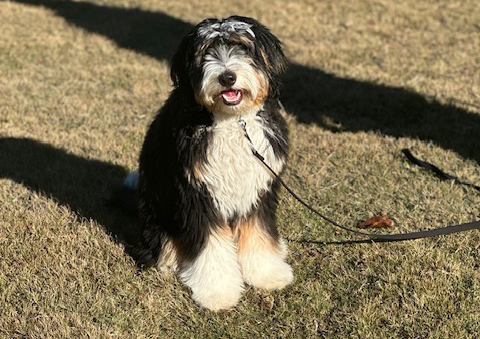
Especially Powerful for High-Energy and Working Breeds
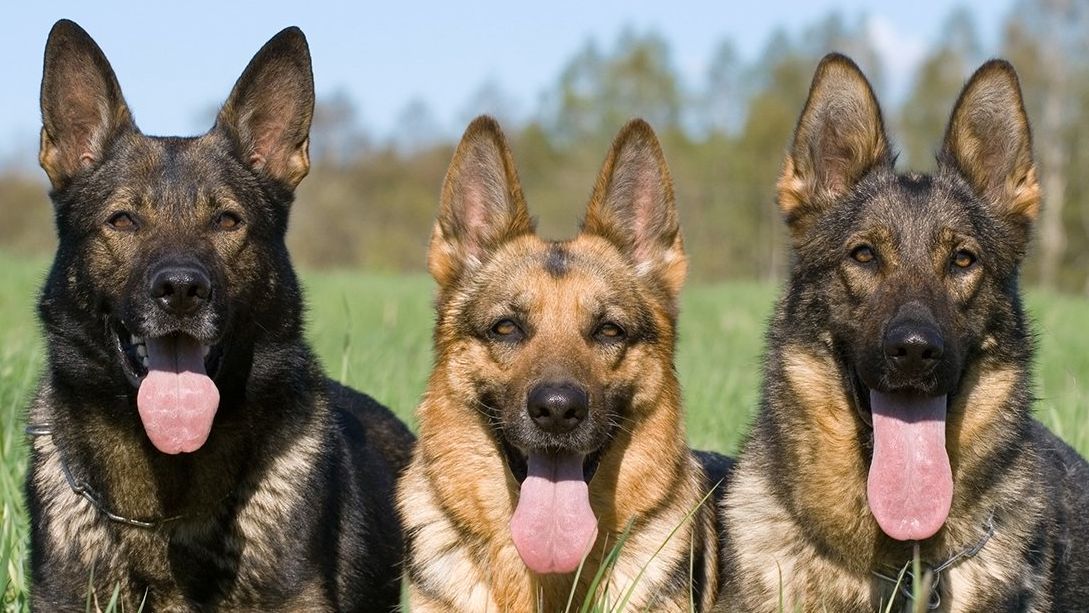
If you've got a German Shepherd, a Doodle with a motor, a Malinois, or any high-drive dog, you already know that energy has to go somewhere. Suppress it and you get frustration; channel it through play and you get a focused, fulfilled partner.
That's exactly why working breeds thrive with this approach. A tired body is good, but a satisfied mind is better, and structured play delivers both. Owners raising a working-breed puppy can pair these games with the foundations in our guidance for new puppy owners to set the tone early.
A Shift in Thinking: A dog that "won't listen" is often a dog that's never been given a good reason to. When you become the source of the best game in the house, attention stops being a battle and starts being the default.
Play-Based Doesn't Mean Permissive
Here's where people get it wrong. Play-based training isn't a free-for-all. The games have rules, clear starts and stops, and a dog that has to earn the fun. Structure is what separates productive play from a dog that drags you around the yard.
As an industry leader in private dog training across Atlanta, Full Contact K9 builds programs that pair play and engagement with the structure dogs genuinely crave, which is why high-energy breeds respond so well. You can see how that philosophy runs through every level of our obedience training programs.
Game On, Leash Ready
Play-based dog training works because it taps into what your dog already loves and turns it into focus and reliable obedience. Build engagement first, keep clear structure, and you'll have a dog that actually wants to listen.
Ready to make training the best part of your dog's day? Book a free phone consultation and we'll map out a plan built around what motivates your dog.
FAQs
What's the best way to start play-based dog training at home?
The best way to start is to find your dog's favorite reward, usually a specific toy or its own kibble, and use it only during short, upbeat training sessions. Keep sessions to a few minutes, end while your dog still wants more, and tie every reward to a command. That builds value fast without overwhelming the dog.
Does play-based training work for older or low-energy dogs?
Yes. Play simply looks different for a calmer dog. Food games, gentle search work, and praise can be just as motivating as a tug session. The principle is the same at any age: make working with you the most rewarding option, and obedience follows.
EVAN DUNBAR
Evan Dunbar is the President of Full Contact K9 and ProK9 Equipment. At an early age he was inspired by his uncle who introduced him to work-oriented dogs. Since that time, Evan has had the opportunity to study from and train with the “who’s who” of the working dog world.
His areas of expertise include advanced obedience, personal protection, service K9, and pet instruction. He is also an active participant in Schutzhund and French Ring dog sports. A modern and dynamic trainer, Evan’s unique style is technical and combines elements of both positive methods with classical approaches.
Full Contact Canine LLC is the culmination of a lifelong respect for animals, his passion for dogs, and Evan’s personal beliefs which emphasize ingenuity, integrity, and continuous learning in the world of professional dog training. He earned his B.B.A from Mercer University.
Evan has assembled a team of some of the most respected trainers in the industry to offer Full Contact K9 clients unparalleled experience, skill and service.